A startling revelation has shaken one of India’s most revered pilgrimage centres, exposing a massive discrepancy in the silver offerings made by devotees at the Mata Vaishno Devi Shrine. What millions believed to be sacred contributions of pure silver has now been found to be largely adulterated with low-value and hazardous metals.
The controversy surfaced after the Shri Mata Vaishno Devi Shrine Board dispatched nearly 20 tonnes of accumulated offerings to a government mint for processing. To the shock of officials, laboratory analysis revealed that the metal contained only about 5–6% actual silver. The remaining composition was dominated by cadmium and iron—materials that are not only cheap but also potentially dangerous.
The financial implications are staggering. While earlier estimates pegged the value of recovered silver at around ₹500–550 crore, the revised valuation now stands at barely ₹30 crore. In one instance, a 70 kg batch yielded just 3 kg of usable silver, underlining the scale of adulteration.
Beyond financial loss, the presence of cadmium has raised serious health and environmental concerns. Banned under safety norms due to its carcinogenic fumes, cadmium made the refining process hazardous. Mint authorities initially declined to handle the material and proceeded only after deploying specialised safety systems and advanced detection devices.
Despite repeated alerts over the past year, including formal communications to the office of Manoj Sinha, there has been no visible corrective action. Officials have clearly termed the practice as deceptive, pointing out that devotees are unknowingly purchasing and offering impure, and in some cases toxic, items.
What adds to the gravity of the situation is that no such large-scale contamination has been reported at other major temples like Tirupati Balaji Temple or Siddhivinayak Temple. This has intensified suspicion on local vendors operating along the pilgrimage route, who are believed to be selling cadmium-based items disguised as silver.
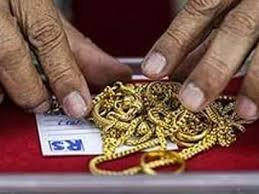
The issue is not entirely new. An RTI disclosure in 2014 had already flagged fake offerings, revealing significant quantities of adulterated gold and silver over a five-year period.
For lakhs of devotees who undertake the arduous journey to the shrine each year, offerings are an expression of faith. This revelation, however, strikes at the very core of that trust. With both economic and health risks now evident, the silence of authorities is raising uncomfortable questions—about regulation, accountability, and whether even sacred spaces are immune to malpractice.
Even God Not Spared: Fake silver offerings at Mata Vaishno Devi Shrine causes concern, revives memories of 2014 when impure gold offered
Leave a Reply